
Browse Our Books
You can browse our books easily with any of the following filters, hover over the filters or their titles to see their descriptions.
Reading Level
Categories
Or you can use quick search or switch to advanced search for better results...
Canadian (Auto Assigned) (1215 series)
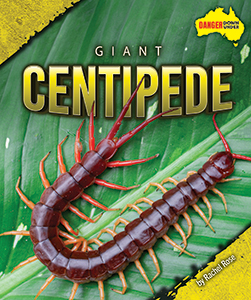
Danger Down Under 
Australia is full of amazing animals you canÎt find anywhere else. Some are cute and cuddly, but others are downright deadly. Get to know the creatures youÎll be happy to learn live on the other side of the world. Action-packed photos paired with engaging text bring learning about AustraliaÎs most lethal animals to life. From the forest to the desert to the ocean, watch out for danger down under!
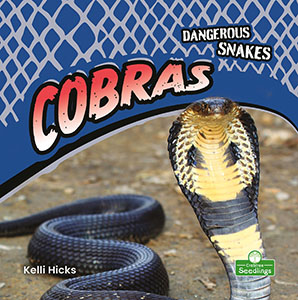
Dangerous Snakes (Crabtree Seedlings)
Snakes might seem scary, but only some are dangerous to humans. In this series, learn about different types of snakes and the survival instincts that can make them dangerous. Close-up photos bring the facts and details to life.
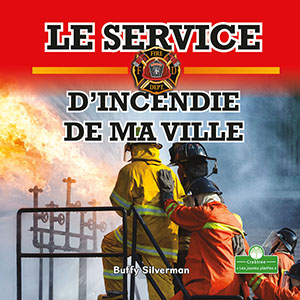
Dans ma communauté
Cette série captivante présente aux jeunes enfants les gens, les travailleurs et les lieux qui composent une communauté. Chaque livre contient un texte simple, de grandes photos attrayantes, un index et un glossaire imagé avec la prononciation pour aider à comprendre la signification des mots.


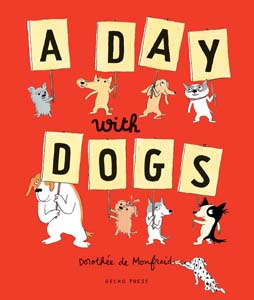
Day with Dogs, A
This rich and playful homage to Richard Scarry features a cast of funny dog characters living their everyday lives. Here you can learn all about seasons, colours, food, town and country, night and day, school and work, and much more—including dog breeds, of course. This book that holds everything toddlers need, from numbers and getting dressed to emotions and the world around us—all in dogs!
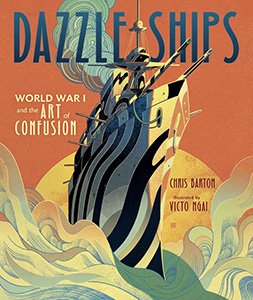
Dazzle Ships: World War I and the Art of Confusion
This dazzling nonfiction picture book explores art, desperation, and one man's incredible idea for saving ships from German torpedoes in World War I. Dazzle ships were the brainchild of Royal Navy commander Norman Wilkinson, who designed the dazzle camouflage as a way to transform ordinary British and American ships into eye-popping masterpieces.
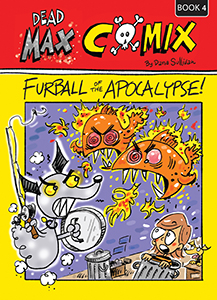
Dead Max Comix
Middle school can be a survival of "fitting-in" at best. In Dead Max Comix, Derrick discovers that his secrets aren't really unusual. This series offers a light-hearted touch at accepting yourself and finding your own "pack".
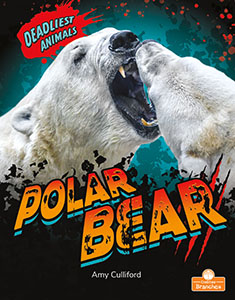
Deadliest Animals (Crabtree Branches)
There is a list of the world?s deadliest animals, and the animals in this series all made the list. Read how they use teeth, claws, or deadly venom to survive and keep their positions as the world?s deadliest animals! Included in every book is a page for caregivers and teachers that suggests reading and writing prompts to help aid in reading comprehension.
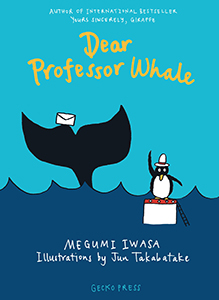
Dear Professor Whale
Now that Professor Whale has retired, he writes many letters to "You Whoever You Are Who Lives on the Other Side of the Horizon." Seal and Pelican are busy delivering the letters and Penguin is now teaching. Although he is happy his friends are doing so well, Whale wants a special friend; someone who will call him just Whale instead of "Professor.

Death of a Dreamer: The Assassination of John Lennon
New York, December 8, 1980: The announcement shocked the world. Beatles founder and legendary musician John Lennon had been murdered in front of his New York home. With no warning, a lone gunman opened fire, shooting Lennon in the back just as Lennon returned from a recording session with his wife, Yoko Ono. Husband, father of two, cultural icon, and hero to millions, Lennon was dead. Around the globe, people mourned the loss of a man who had stood for peace, a man who had given so much joy to t